Why Automating Your Health Matters
Introduction
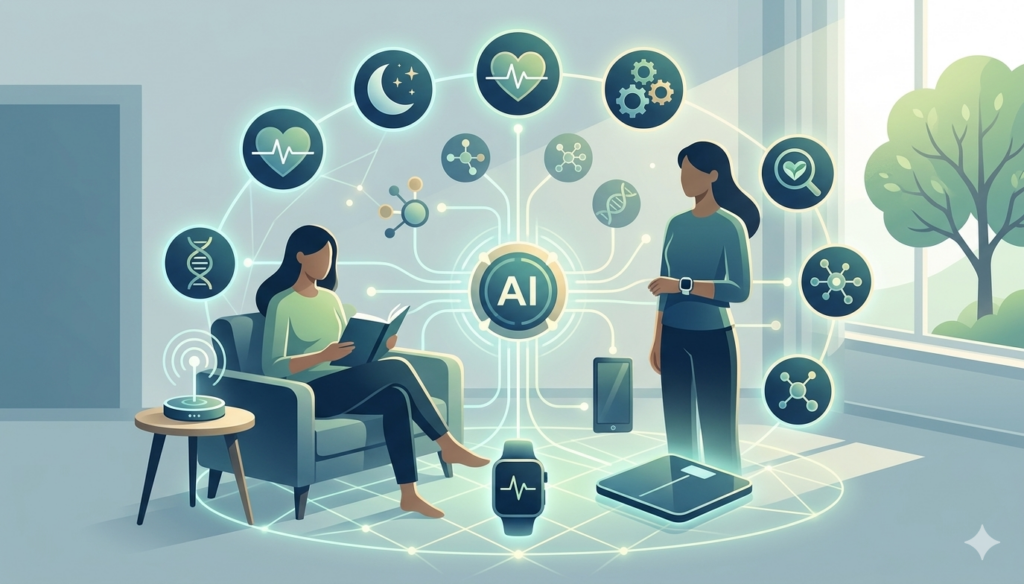
Modern life is busy. Between work, family and social obligations, it can be difficult to set aside hours for self‑care, preventive check‑ups and exercise. Yet neglecting your health has serious long‑term consequences. That’s why more people are turning to **health automation**—a suite of technologies that use artificial intelligence (AI), sensors and connected apps to monitor, manage and optimize wellness with minimal manual effort. When properly implemented, these tools help you catch warning signs earlier, stick to healthy habits, and free up precious time to focus on what matters most.
Automating your health doesn’t mean replacing doctors or ignoring professional advice; it’s about leveraging technology to enhance decision‑making and reduce the friction of staying healthy. Wearable devices can track your heart rate, sleep and blood pressure continuously, alerting you to potential problems before they become emergencies. Remote monitoring platforms integrate that data with medical records to give clinicians a more complete picture and support personalized treatment. And AI‑powered assistants can send medication reminders or suggest evidence based changes to your diet and exercise routine. Together, these innovations make proactive care easier and more efficient.
Understanding health automation
Health automation encompasses any technology that systematically collects, analyzes and acts on health data without constant human intervention. It includes wearable devices, smart home medical equipment, remote patient monitoring, digital health platforms and AI‑enhanced decision support. These tools aim to reduce manual data entry, eliminate guesswork and free up your time by performing routine tasks in the background.
The concept is already gaining traction across the industry. A 2026 report noted that 94% of healthcare companies were using AI or machine‑learning in some capacity to streamline workflows and improve care. That adoption rate reflects a wider recognition that manual processes contribute to high costs and missed opportunities. Administrative tasks alone consume about 25% of U.S. healthcare spending, so automating them can redirect resources toward actual patient care. While those statistics focus on hospital systems, individuals can also benefit by using automation to manage their own health information, track symptoms and maintain healthier habits without constant oversight.
Save time and eliminate tedious tasks
One of the most compelling reasons to automate your health is efficiency. Scheduling appointments, logging workouts and remembering to take medication are important but often tedious tasks that can fall through the cracks when life gets hectic. AI and automation can shoulder much of that burden.
Automatic monitoring and reminders. Smartwatches and fitness trackers can continuously
measure your heart rate, blood oxygen saturation, blood pressure, glucose levels and sleep patterns. They sync data to a smartphone app that can remind you to stand up, move or meditate when your activity levels drop. Glucose monitors now offer non‑invasive or minimally invasive sensors that track blood sugar and alert you if you’re trending high or low. For people managing chronic conditions, these automated reminders reduce the cognitive load of self‑management.
Reduced paperwork and data entry. Instead of manually writing down blood pressure readings or step counts, wearable devices record this information automatically. Through integration with digital health platforms, your doctor can access a real‑time stream of your data, eliminating the need for lengthy recap sessions and improving appointment efficiency. This not only saves time for clinicians but also ensures that your data is accurate and complete.
Streamlined communication. Smart devices and apps can share your data with caregivers or family members who assist in your care. Fall detection wearables use accelerometers and AI algorithms to differentiate between normal movements and falls, notifying contacts immediately. Automated messaging ensures loved ones and providers are informed when intervention is needed, even when you’re unable to call for help.
By shifting routine tasks to devices and algorithms, you can focus more energy on actual health‑promoting activities rather than administrative chores. Automated reminders make adherence easier and reduce the mental burden of constantly monitoring your health.
Real‑time insights and early detection
Another major advantage of health automation is the ability to obtain continuous, real‑time data. Traditional healthcare relies on periodic check ups, which can miss subtle changes or rely on self‑reported info
re relies on periodic check‑ups, which can miss subtle changes or rely on self‑reported information that may be inaccurate. Automated tools bridge this gap.
Wearable health devices continuously collect vital sign data such as heart rate, blood pressure, glucose levels and oxygen saturation. These measurements create a comprehensive picture of your health across time, enabling early detection of anomalies. For example, changes in resting heart rate might indicate stress, overtraining or illness; similarly, sudden drops in oxygen saturation could signal respiratory issues. Continuous glucose monitors send alerts when blood sugar levels move outside a target range, allowing for immediate dietary or medication adjustments.
Real‑time data becomes even more powerful when combined with AI. Predictive algorithms can identify patterns that humans might overlook, such as subtle trends in blood pressure that precede hypertension or arrhythmias that could lead to heart problems. According to an overview of personalized healthcare trends, wearable devices and remote patient monitoring aid chronic disease management and early detection of health issues. Because the data stream is continuous, these systems can flag potential problems before symptoms manifest, prompting timely interventions and reducing the risk of complications.
Remote monitoring isn’t just for those with chronic conditions. Even healthy individuals can benefit from understanding how factors like sleep quality, stress and activity impact their physiology. Sensors integrated into fitness trackers and smartwatches help users make informed decisions about exercise intensity, recovery and nutrition. By offering objective feedback rather than subjective impressions, automation fosters a data‑driven approach to wellbeing.
Personalized and proactive care
Automation enables a shift from reactive to proactive and personalized healthcare. Instead of waiting until a problem becomes serious, you can use real‑time data and AI analysis to make changes early. This proactive approach reduces the burden on healthcare systems while improving outcomes for individuals.
Personalization begins with continuous data collection but extends further when AI applies your history, preferences and goals to deliver tailored recommendations. Digital health platforms integrate wearable data with electronic health records and other personal metrics to generate individualized insights. This might include exercise programs that adapt to your heart rate responses, dietary guidance aligned with your glucose levels, or stress‑management techniques based on sleep and HRV trends.
The Pi Tech wearable guide emphasizes that continuous monitoring bridges the gap between daily life and clinical care, turning passive observation into proactive healthcare. Automated systems can anticipate potential issues by analyzing patterns across time; for instance, if your blood pressure gradually rises over a week, you might receive a prompt to hydrate more, adjust your diet or consult your doctor. With historical data and behavioral context, AI models can even predict flare‑ups in chronic conditions before they happen. This level of personalization is difficult to achieve through occasional appointments alone.
Automated care is also more accessible. Virtual health assistants can provide round the clock guidance, answer questions and connect you with human professionals when necessary. Those same assistants can assist with medication adherence, sending reminders and verifying that you’ve taken your medicine by prompting a response. For people managing multiple medications or busy schedules, such tools reduce the risk of missed doses and promote consistent compliance.
Smart devices in action
Let’s look at some of the technologies that make automated health possible:
Wearable fitness trackers and smartwatches
Fitness trackers and smartwatches are widely available and affordable. They measure steps, heart rate, sleep patterns and calories burned, allowing users to visualize activity trends and set goals. Many models now include ECG monitoring, blood oxygen tracking and stress assessment. The convenience of wearing these devices daily encourages consistent use, and the data they collect can feed into more advanced health platforms.
Continuous glucose monitors (CGMs)
For individuals with diabetes or insulin resistance, CGMs offer continuous measurement of glucose levels through minimally invasive sensors placed under the skin. New non invasive monitors are emerging that use optical sensors to measure glucose without finger pricks. CGMs can send alerts when readings fall outside of target ranges and share data
a with healthcare providers or caregivers in real time. This automated approach improves control and reduces the risk of extreme highs or lows.
Smart home medical devices
Smart blood pressure cuffs, pulse oximeters, thermometers and scales connect to smartphone apps or cloud platforms. These devices often sync readings automatically via Bluetooth or Wi‑Fi and can integrate with electronic health records for physician review. For seniors, smart home equipment such as fall detectors uses AI to distinguish between normal movement and dangerous falls. Emergency alert systems can notify caregivers or medical professionals immediately, reducing response times and improving safety.
Remote patient monitoring platforms
Remote patient monitoring (RPM) extends beyond single devices. Healthcare providers can deploy kits containing multiple sensors heart rate monitors, blood pressure cuffs, ECG patches, or weight scales that automatically transmit data to clinicians. This is particularly valuable for managing chronic conditions, where subtle changes in physiology need to be tracked over time. AI algorithms aggregate and analyze the data, enabling clinicians to adjust treatments proactively.
AI powered health assistants and apps
Mobile applications with built in AI can offer personalized workout plans, nutrition advice and mental health support. They analyze data from wearables and other inputs to suggest tailored activities and track compliance. For example, AI fitness apps adjust exercise intensity based on your heart rate and progress, ensuring effective workouts in less time an approach similar to how digital health platforms optimize training in high‑intensity interval programs. In the clinical realm, AI scribes automatically transcribe doctor–patient conversations, reducing documentation workload and allowing clinicians to focus on patient care.
Addressing challenges
As promising as health automation is, it does come with challenges. Privacy and data security are major concerns. Devices that continuously collect personal health information must adhere to strict data protection standards and ensure secure transmission and storage. Users should choose reputable brands and review privacy policies carefully.
Accuracy and reliability are equally important. Not all consumer devices are created equal, and inaccurate readings can lead to inappropriate actions. When considering a device, look for products that have regulatory approval or proven validation studies. Working with your healthcare provider to interpret data and make adjustments is crucial.
Finally, overreliance on technology can be counterproductive. Automated tools should complement professional medical advice, not replace it. Be cautious of apps that make unverified claims, and always consult healthcare professionals when making significant changes to your treatment or lifestyle.
Conclusion: Take charge of your health with smart automation
In a world where time is limited and health challenges are complex, automating your health offers a practical way to stay on top of your wellbeing. By leveraging wearable devices, smart home equipment, remote monitoring and AI‑powered apps, you can streamline routine tasks, gain real‑time insights and receive personalized guidance. Automation transforms healthcare from reactive to proactive, helping you prevent problems rather than just treating them. Most importantly, it allows you to invest your time and energy where it matters: living a full and healthy life.
Join our community to learn more about automation. Join Here
References
1. AI automation adoption The American healthcare system shows widespread adoption of AI, with 94% of healthcare companies using AI or machine learning and administrative tasks consuming about 25% of healthcare spending, highlighting the need for automation.
2. Wearables and real‑time data – Pi Tech’s 2026 guide explains that wearable devices continuously monitor vital signs such as heart rate, blood pressure, glucose and oxygen saturation, empowering patients and clinicians with real‑time insights that enable early detection and proactive care. The market for wearable healthcare devices is projected to reach $186.14 billion by 2030, reflecting growing adoption.
3. Continuous monitoring benefits – The same guide notes that wearables bridge the gap between daily life and clinical care, provide continuous health monitoring and are especially important for chronic disease. They also emphasize that consistent recording of vital signs offers more accurate data than periodic check‑ups and that historical patterns can be used to anticipate health issues before they worsen.
4. Personalized healthcare trends – Eclipse Wellness highlights that real‑time health data from wearable devices and remote monitoring supports chronic disease management, early detection and mental health support. It also underscores the role of AI in tailoring diagnostics and treatment plans to individual needs.
5. Smart home medical devices – All Seniors Foundation points out that smart home medical devices integrate sensors, AI and connectivity to provide real‑time health monitoring, emergency alerts and personalized insights, making them essential tools for proactive health management. They enhance safety, promote proactive health management and reduce hospital visits by catching issues early. Non invasive glucose monitors, continuous glucose monitoring systems and AI‑powered fall detectors illustrate how automation improves daily care.
6. AI assistants and clinician support – Harvard Medical School notes that AI can automate routine tasks like capturing visit notes and summarizing medical histories, freeing clinicians to focus more on patient care. These AI assistants handle reminders, documentation and provide real-time feedback
7. ChampionsRound AI fitness – ChampionsRound offers AI-powered 35‑minute HIIT sessions, personalized meal planning and elite tracking, giving users a natural yet time‑efficient path to peak health efficient path to peak health.
